

The 2012-2015 power crisis was the most intense, protracted and severe in the history of Ghana.
Kwame Nkrumah University of Science and Technology (KNUST)

Links
Articles

Fast food brands target high- and middle-income groups who have incomes to adopt so-called modern lifestyles, including consuming fast food regularly.
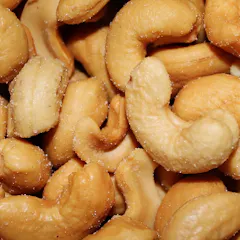
Ghana is losing out the booming global cashew industry in terms
of job and revenue generations.
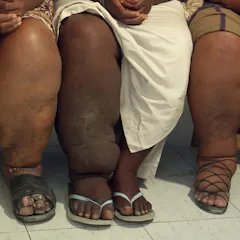
The main sign of the illness is disfiguring swelling followed by peeling of the affected area. In women this swelling mainly affects arms and legs. In men it can cause enlargement of the scrotum.

Realities on the ground tell a different story from the claim that a Green Revolution ensures food security and increased income for smallholder farmers in Ghana.
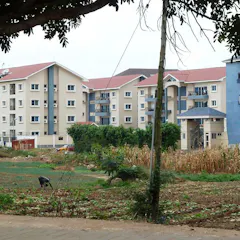
The government of Ghana needs a more creative solution to the problem of advance rent payment
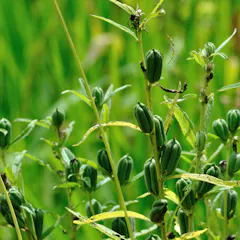
Oilseeds in local diets could be the answer to poverty in Ghana’s savanna region.
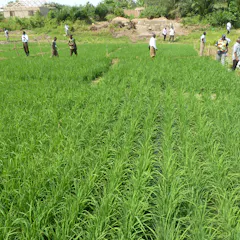
Most local farmers are indifferent to the effect of chemicals on consumers.

Policies should protect arable land from urban encroachment and make peri-urban households less vulnerable.
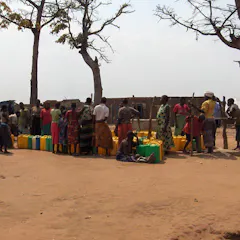
The study confirms that collecting water for daily use weighs more heavily on women, making life more difficult for especially older women.
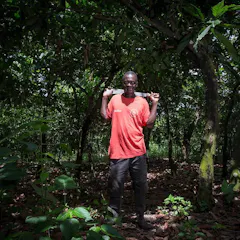
The rising demand on the world market for cocoa has put pressure on Ghana’s forests.
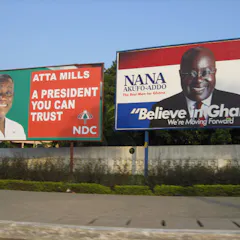
Minority parties in Ghana have found ways to stay relevant in elections despite their declining electoral numbers

An unregulated construction sector is stifling its potential to influence Ghana’s economy consistently.

Ghana is the latest country in Africa to mandate the use of pictures on cigarette packages to convey health warnings.
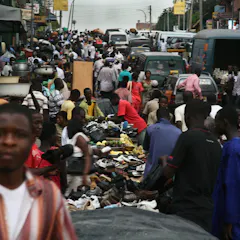
Policymakers in Africa approach rural and urban development separately. This needs to change.
Authors
-

Research Fellow, Center for Cultural and African Studies, Kwame Nkrumah University of Science and Technology (KNUST)
-
Senior Lecturer in Immunology of Infectious Diseases, Kwame Nkrumah University of Science and Technology (KNUST)
-
Phd Candidate, Kwame Nkrumah University of Science and Technology (KNUST)
-
Lecturer, Educational Innovations in Science and Technology, Kwame Nkrumah University of Science and Technology (KNUST)
-
Associate Professor of Competencies/Skills Development in Housing and Construction, Kwame Nkrumah University of Science and Technology (KNUST)
-
Lecturer, Land Economy, Kwame Nkrumah University of Science and Technology (KNUST)
-
Lecturer, Department of Economics, Kwame Nkrumah University of Science and Technology (KNUST)
-
Senior Lecturer, History and Political Studies, Kwame Nkrumah University of Science and Technology (KNUST)
-
Researcher, Department of Agroforestry, Kwame Nkrumah University of Science and Technology (KNUST)
-
Senior Lecturer, Department of Geography and Rural Development, Kwame Nkrumah University of Science and Technology (KNUST)
-
Senior Lecturer, Geography and Rural Development, Kwame Nkrumah University of Science and Technology (KNUST)
-
Senior Lecturer, Kwame Nkrumah University of Science and Technology (KNUST)
-
Lecturer, Kwame Nkrumah University of Science and Technology (KNUST)
-
Senior Lecturer, Department of Planning, Kwame Nkrumah University of Science and Technology (KNUST)
-
Senior Lecturer, Department of Planning, Kwame Nkrumah University of Science and Technology (KNUST)