
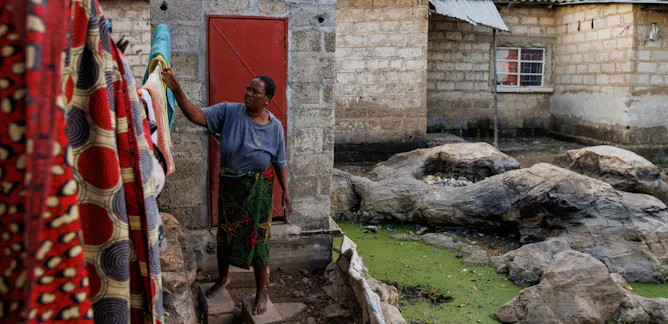
Sewage leaks, rundown communal outdoor toilets and breakdowns in water systems are causing public health disasters across Africa.
Kenya Medical Research Institute

Kenya Medical Research Institute (KEMRI) is a State Corporation established through the Science and Technology (Amendment) Act of 1979, which has since been amended to Science, Technology and Innovation Act 2013. The 1979 Act established KEMRI as a National body responsible for carrying out health research in Kenya.
Links
Articles
Les conditions météorologiques extrêmes telles que la sécheresse et les inondations contribuent aux flambées de choléra en Afrique.
Severe weather such as drought and floods is contributing to cholera outbreaks in Africa.
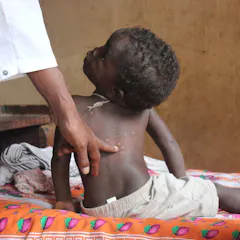
Neglected tropical diseases are often associated with social exclusion as well as physical suffering. One billion people around the world suffer from these diseases.
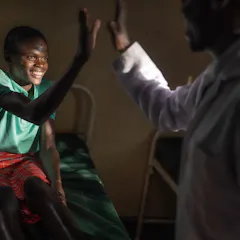
Every year, 1.7 billion people, most in the world’s poorest areas, are affected by NTDs. The diseases cause suffering, stigma, disability and sometimes death.
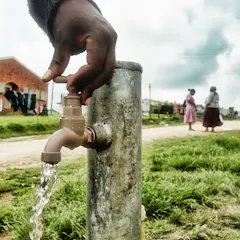
Cholera has persisted longer in Africa largely due to worsening hygiene and sanitation situations in urban areas.

Natural disasters associated with climate change put people at risk of injury and death, and alter the prevalence and distribution of illnesses and infectious diseases.
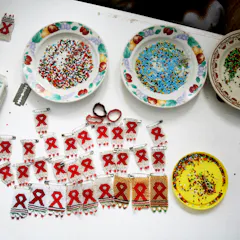
Stigma and criminalisation of same-sex relationships makes it difficult for transgender women and men who have sex with men to seek preventive services. This compounds their risk for HIV infection.
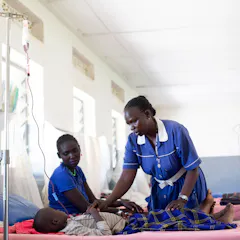
Kala-azar, already one of the most neglected diseases on the planet, is in danger of becoming even more neglected.
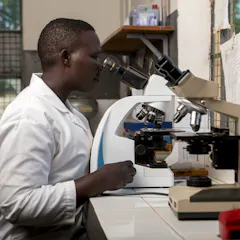
Many of these diseases cause tremendous suffering and death – yet there’s still a lack of effective tools to diagnose, treat, and prevent them.
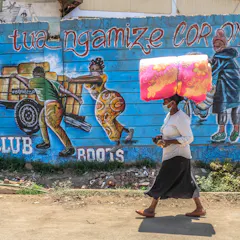
African countries have proven that they have the skills and expertise to provide local solutions to this global pandemic. They need to build on this success together to keep the pandemic at bay.

In Kenya, the Spanish flu caused various forms of social and economic disruption, ranging from social distancing to the suspension of nonessential services and widespread food shortages.
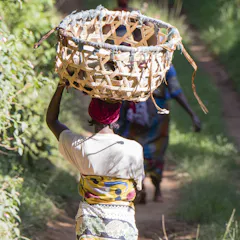
Women must be included at decision making levels to advise on development, designing, delivery and implementation of tools that target health issues that affect them especially malaria.

In some communities, over a quarter of the children were misclassified as iron replete whereas they were iron deficient.
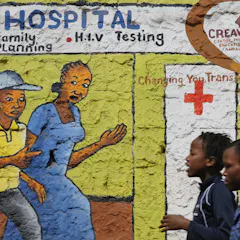
The government needs to revise national guidelines to better target PrEP at those that would most benefit from it.

Only half of Kenya’s 47 counties achieved the 2000 goal on reducing child mortality
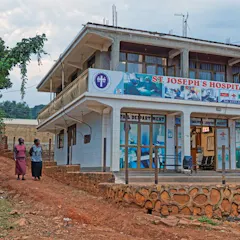
Sólo 16 de los 48 países e islas africanas tienen acceso a servicios hospitalarios dentro del umbral de las dos horas establecido por la OMS.

Only 16 out of 48 African countries and islands have access to hospital services within the WHO’s two-hour time threshold.
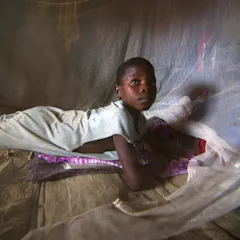
Kenya has managed to reduce the number of malaria cases in parts of the country. But this, in turn, has led to immunity levels dropping.
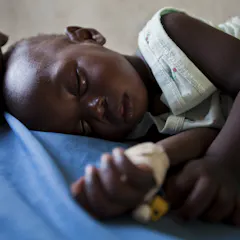
Malaria is a major public health problem that affects 106 countries globally. A rigorous and systematic approach to predict and control malaria transmission is needed.
Authors
-

Chief Research Officer, Kenya Medical Research Institute
-
Senior Research scientist, Kenya Medical Research Institute
-
Research fellow, Kenya Medical Research Institute
-
PhD Candidate , Medical Parasitologist, Kenya Medical Research Institute
-
Head, Population Health Unit, KEMRI, Kenya Medical Research Institute
-
Research Associate, Kenya Medical Research Institute
-
Head of Department, Production, Kenya Medical Research Institute
-
Public Health Specialist, Senior Research Scientist, Kenya Medical Research Institute
-
Post-doctoral researcher, KEMRI-Wellcome Trust Research Program, Kenya Medical Research Institute
-
Researcher, Kenya Medical Research Institute
-
Research Officer, Kenya Medical Research Institute
-
PhD Fellow, Kenya Medical Research Institute
-
Director DNDi Eastern Africa and Senior Principal Research Scientist, KEMRI, Kenya Medical Research Institute
-
Chief Research Officer, Malaria Branch Chief in the KEMRI, CDC and London School of Tropical Medicine Collaborative Program, Kenya Medical Research Institute
-
Postdoctoral research student, KEMRI-Wellcome Trust Research Programme, Kenya Medical Research Institute