
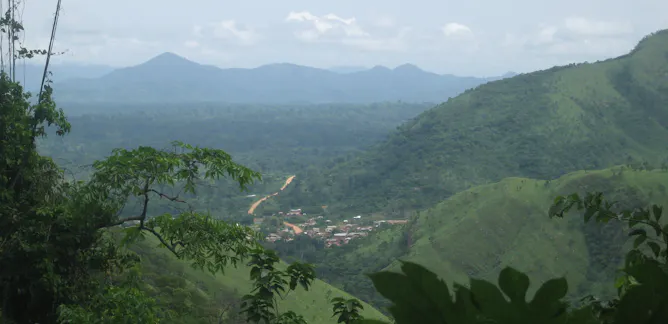
Ghana’s regions have no autonomy, yet creating new ones is contentious as it threatens the interests of chiefs and political parties.
International Institute of Social Studies

ISS is an international graduate school of policy-oriented critical social science. It brings together students and teachers from the Global South and the North in a European environment.
Links
Articles
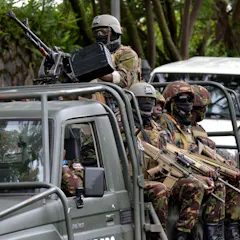
Consolidating peace efforts across the vast territory has proved difficult for close to three decades. Scholars explain why.
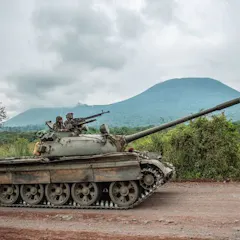
En plus d'un bon équipement, le M23 mène une guerre conventionnelle bien organisée en intimidant l'armée nationale congolaise.
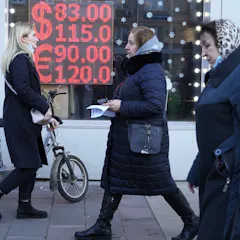
As the world rightfully fears for the Ukrainian people, we must not turn a blind eye to Russians who are also Putin’s victims and will suffer the most from economic sanctions.
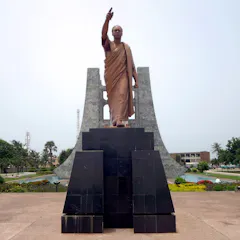
Ghana lost its federalism due to mistaken political choices and missed opportunities, suggesting that other federations in Africa might well be at similar risk.
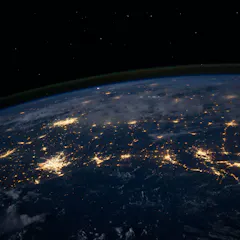
The outbreak of COVID-19 could be used as a building block in the future to reinforce international co-operation and strengthen the pillars of globalization.
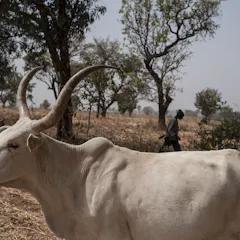
Institutional problems make it difficult to satisfy livestock and crop farmers’ interests, already in contest over agricultural resources.
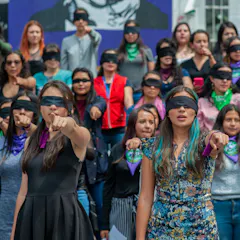
Sindicatos, estudiantes, campesinos e indígenas se movilizan contra el ‘paquetazo’ del Gobierno de Duque y el asesinato de líderes sociales.
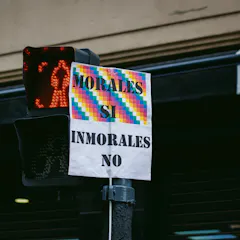
El uso de las redes sociales para justificar el reciente golpe de estado en Bolivia enfatiza cómo tales herramientas pueden ser manipuladas para apoyar salidas menos institucionales.
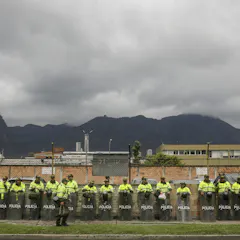
Colombia’s new president opposes the 2016 peace deal with the FARC guerrillas. As trust between the government and militants erodes, at least 1,700 former insurgents have returned to armed struggle.
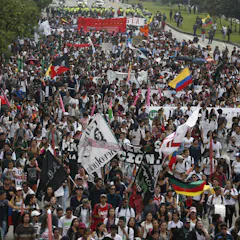
Strikes and rallies have gripped Colombia for months. That’s bad news for its new government but a sign of progress in a country that had little tolerance for dissent during its 52-year civil war.
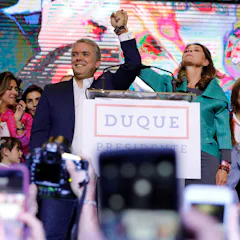
In the most peaceful election in their modern history, Colombians have elected as their next president a conservative who will renegotiate the country’s fragile 2016 accord with the FARC guerrillas.
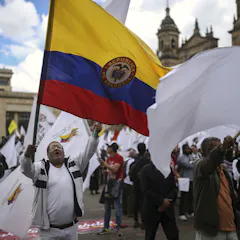
Two candidates from Colombia’s May 27 presidential vote will face off on June 17. One is a former guerrilla. The other is a hard-liner. Their views for the nation’s future couldn’t be more different.
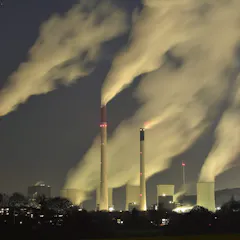
Some experts argue globalization has been bad for the environment. But moving away from globalization could have other consequences that could be even more devastating for the environment.
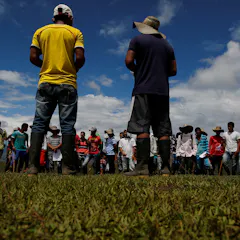
Nearly 300 community organizers and activists have been killed in Colombia since the country’s 2016 peace accord. Who’s behind these targeted assassinations?
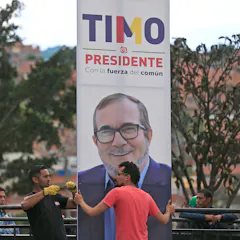
A former FARC rebel commander-turned- presidential candidate has withdrawn from Colombia’s 2018 election. Despite increased violence, the peace accord he signed will probably survive this setback.
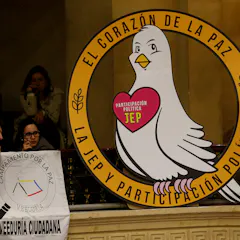
Conservative congressional reps in Colombia have been stalling votes on key parts of the country’s peace accords through endless petitions and nonstop debate. In short, they’re filibustering.
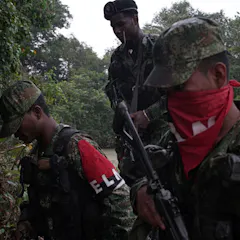
A court decision securing last year’s peace deal and a new ceasefire have invigorated Colombia’s peace process, but there are plenty of ways it could still go wrong.
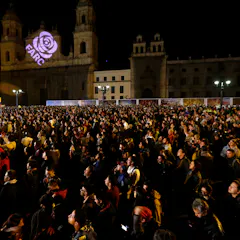
Meet the Commoners’ Alternative Revolutionary Force, Colombia’s newest political party. To move beyond its violent past, the new FARC will need a charismatic leader who can win over voters.
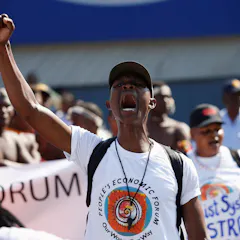
Popular protest is on the rise globally, particularly in places with deeply entrenched inequalities.
Authors
-

Assistant Professor of Development Economics, International Institute of Social Studies
-
Research Fellow, International Institute of Social Studies
-
PhD Candidate in Rural Studies, International Institute of Social Studies
-
Professor of International Economics and Macroeconomics, International Institute of Social Studies