

New research shows that noise pollution in US cities is concentrated in poor and minority communities. Beyond regulating airplane noise, the US has done relatively little to curb noise pollution.
Harvard University

Harvard is at the frontier of academic and intellectual discovery. Those who venture here—to learn, research, teach, work, and grow—join nearly four centuries of students and scholars in the pursuit of truth, knowledge, and a better world.
As a research university and nonprofit institution, Harvard is focused on creating educational opportunities for people from many lived experiences.
Harvard has 12 degree-granting Schools and the Harvard Radcliffe Institute. We also offer countless of non-degree opportunities for professional and lifelong learners, including executive education, continuing education, and online courses.
Links
Articles

The military can make a big difference right away but humanitarian deployments should generally be rare and brief.
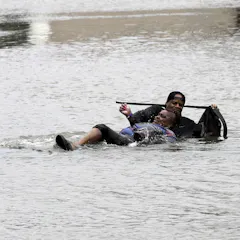
Natural disasters expose people to toxic gases, bacterial illness and other serious dangers. How can people maximize their safety as they return home?
A new study shows that anal cancer, caused by the virus HPV, can be successfully fought in HIV-positive men by timely treatment and HPV vaccination of lesions that may ultimately lead to cancer.
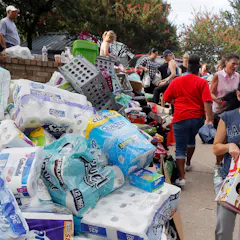
If you want to do the greatest good, send money.

L’organisation d’un journal club scientifique entre étudiants impliqués dans une cordée de la réussite et ceux d’un programme de Harvard. Vu par les étudiants et par les enseignants. Un cas d’école.
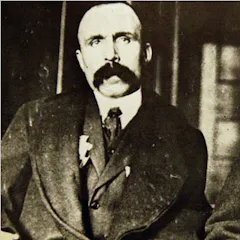
At a time when anti-immigrant sentiment was widespread, the Sacco and Vanzetti trial starkly divided American opinion and stirred up a violent backlash around the world.
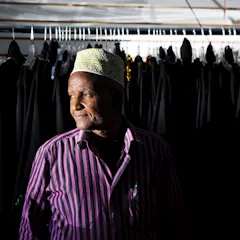
Instead of focusing only on crime, the government can help set refugees up for success by collecting data on what’s working and what’s not in the integration process.
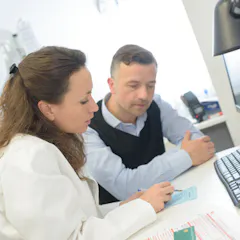
The Republican position on health care has been based upon a belief in individual choice. Here’s how their own versions of health care bills eroded choice, however, and how they also did harm.
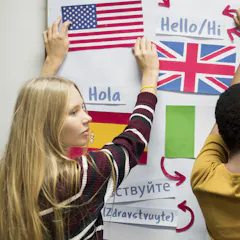
Whether it’s due to native language loss or unsupported high school curricula, the lack of bilingualism in the US is notable. Why can’t more Americans speak another language? How should that change?
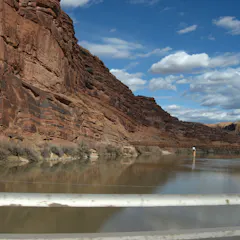
Historically, indigenous peoples used the natural seasonal cycles of weather, plants and animals as part of their religious calendar. What will be the impact of climate change on their practices?
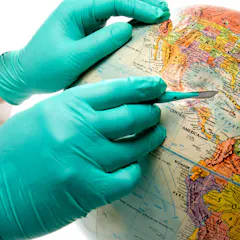
Almost one-third of human disease requires surgery, but most of those people who need surgery are not getting it. Here’s why we need to make surgery more accessible.
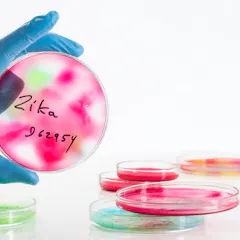
The 2015 Zika outbreak in South America brought the virus to global attention. But tracing the history of the virus in West Africa can give clues to tackling future outbreaks.
People with disruptive behaviour often have poor sleep. But not all…
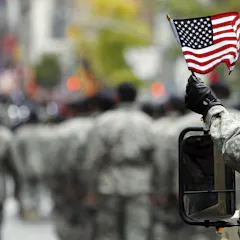
In past wars, taxes were increased to cover some of the extra spending. That’s not the case for the war in Iraq and Afghanistan, and the costs are adding up fast.
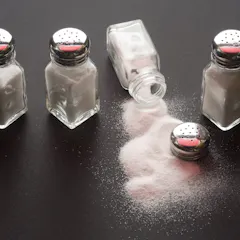
Evidence suggests that most Americans wildly underestimate the amount of sodium in their food.
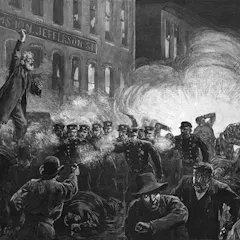
It’s time to update the old agenda of the 19th century: less working time and more money for all, in the form of shorter work days and a universal basic income.
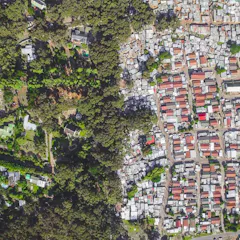
People in some of the most unequal countries in the world think theirs is the paradigm of meritocracy. Can the data help explain this phenomenon?
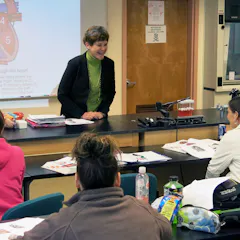
Native American scholars joined in the global March for Science. Their science blends seamlessly with beliefs.

How do scientists figure out when evolutionary events – like species splitting away from a common ancestor – happened? It turns out our DNA is a kind of molecular clock, keeping time via genetic changes.
Authors
-

Lecturer on Law, Senior Clinical Instructor, Harvard University; Harvard Kennedy School
-
Research Fellow in Medicine, Harvard University
-
Chercheur postdoctoral et docteur en neuropsychologie, Harvard University
-
Senior Fellow of the Arctic Initiative, Harvard Kennedy School
-
Professor of Psychology, Harvard University
-
Assistant Professor - University of Alabama & Harvard BKC Faculty Associate, University of Alabama; California State University, San Bernardino; Harvard University
-
Doutorando em Tecnologia e Sociedade, Universidade Tecnológica Federal do Paraná. Pesquisador visitante, Harvard University
-
Postdoctoral associate, Harvard University; Graduate Institute – Institut de hautes études internationales et du développement (IHEID)
-
Emeritus Lecturer, Harvard Kennedy School
-
Postdoctoral Research Associate in Environmental Public Health, Harvard University; University of Liverpool
-
Ph.D. Candidate in Religious Studies, Harvard University
-
Senior Research Associate in Environment and Natural Resources and Science, Technology, and Public Policy, Harvard Kennedy School
-
Professor of U.S.-Asia Relations, Harvard Kennedy School
-
Fellow at the Belfer Center for Science and International Affairs, Harvard Kennedy School
-
Assistant Professor, Harvard University