

The true radiation risk from commercial flying has nothing to do with security scans. A radiation expert explains how much cancer risk the most frequent of flyers take on when they take to the skies.
Georgetown University

Georgetown University is one of the world’s leading academic and research institutions, offering a unique educational experience that prepares the next generation of global citizens to lead and make a difference in the world. Established in 1789, Georgetown is America’s oldest Catholic and Jesuit university.
Links
Articles
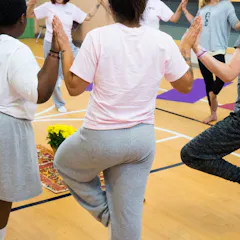
Yoga programs specifically designed to heal girls’ trauma are showing results in facilities across the country. Here’s how.
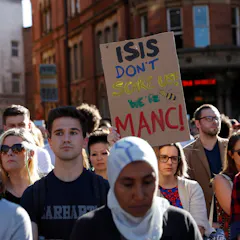
A professor at Georgetown University answers three common questions about terrorism and political violence.

Whispering secrets is a sign of a lack of trust.
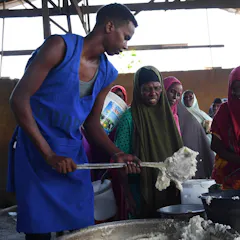
Rules imposed after 9/11 and still on the books are getting in the way of delivering aid to conflict zones. In countries like Yemen and Syria, it could mean the difference between life and death.

It’s been five decades of microwave popcorn and piping hot leftovers in home kitchens. A serendipitous discovery helped engineers harness radar to create this now ubiquitous timesaving appliance.
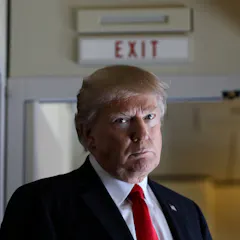
Australian and American leaders over the years have, from time to time, disagreed or said things to cause embarrassment. But, for the most part, such disagreements have been kept out of the limelight.
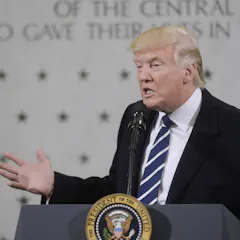
The president, the press and the public have misguided ideas about how intelligence is produced and analyzed. A Georgetown professor sets us straight.

Increasing well-being is generally accepted as one of the essential components of social progress. But which measure of well-being – if any – should we use ?
Did your holiday gift list include radiation-shielding undies to protect your privates from cellphone radio waves? A radiation expert explains they’re unnecessary – your phone won’t affect your fertility.

What will Donald Trump do for women as president? Republicans want to curb abortion rights, but Trump could break new ground and win female support by delivering on child care and paid family leave.
Back in the early 1900s, if you felt a bit sluggish you could reach for a beverage enhanced with radioactive elements to really add some pep to your step. It wouldn’t be a healthy choice, though.
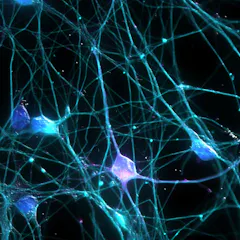
Yoshinori Ohsumi’s research on autophagy – a process that lets cells clear out harmful materials – brought biology and medicine closer to finding treatments for chronic and deadly diseases.
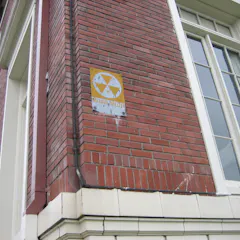
Is the U.S. prepared for nuclear attacks from terrorists or rogue nations? A radiation expert explains how Cold War-style fallout shelters could help protect us from this growing threat.
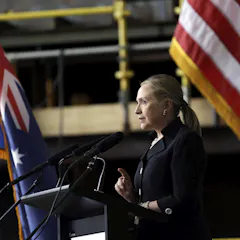
US presidents over the past 25 years have had varying views of the alliance with Australia. While none have questioned its value, commitment has not been even across the board.
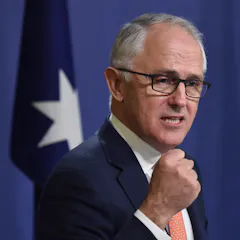
To understand how Australia’s political uncertainty is being seen elsewhere, we reconvened our panel of experts from the UK, US, Indonesia and NZ to respond to the election results.
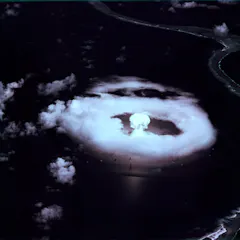
In the summer of 1946, the U.S. government detonated the first of many atomic bomb tests in the Marshall Islands. Seventy years of radiation exposure later, residents are still fighting for justice.
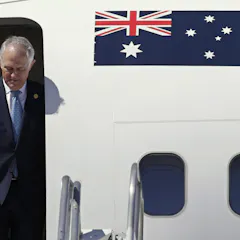
Experts in the UK, US, India, Indonesia and NZ explain how Australia’s election is playing out abroad and what’s at stake for our neighbours and allies.

OPEC has been declared dead in recent months as the group of oil-exporters has been unable to agree on a plan to stabilize the market. But was it really ever alive in the first place?

The meltdown at the Chernobyl Nuclear Power Plant in 1986 exposed 572 million people to radiation. No other nuclear accident holds a candle to that level of public health impact.
Authors
-

Senior Species Recovery Specialist, Road to Recovery, The Earth Commons, Georgetown University
-
Director, Women's Center, Georgetown University
-
Assistant Teaching Professor of Environmental Science and Sustainability, Georgetown University
-
Assistant Professor of Psychiatry, Georgetown University
-
Associate Professor of Environmental History, Georgetown University
-
Professor of the Practice and Faculty Director of the Master's in Applied Intelligence, Georgetown University
-
Adjunct Professor, School of Foreign Service, Georgetown University
-
Adjunct Professor of Domestic Terrorism, Georgetown University
-
Faculty, African Studies and Security Studies, Georgetown University
-
Senior Research Analyst, Center for Security and Emerging Technology, Georgetown University
-
Associate Professor of Technology Law & Policy, Georgetown University
-
Dean of The Earth Commons, Professor of Biology and the Environment, Georgetown University
-
Professor of Management, Georgetown University
-
Associate Professor of Sustainability, Georgetown University
-
Director of Catholic Studies, Georgetown University