
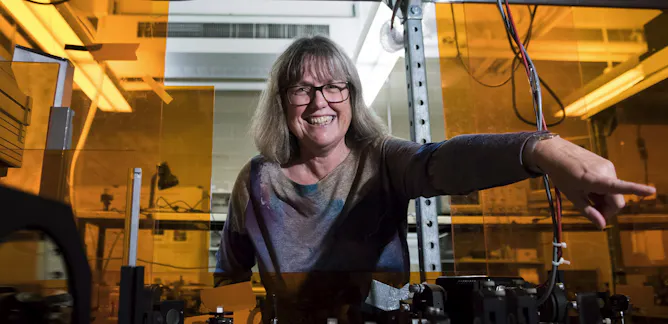
The Nobel Prize for physics was awarded to three scientists for the inventions of optical tweezers – in which two laser beams can hold a tiny object – and a method for creating powerful lasers.
Florida State University

Florida State University is a space-grant and sea-grant public research university located in the state capital city of Tallahassee, Florida, United States. It is a comprehensive doctoral research university with medical programs and very high research activity as determined by the Carnegie Foundation. The university comprises 16 separate colleges and more than 110 centres, facilities, labs and institutes that offer more than 300 programs of study, including professional programs. FSU is home to Florida’s only National Laboratory – the National High Magnetic Field Laboratory and is the birthplace of the commercially viable anti-cancer drug Taxol.
Links
Articles

The midterm elections have put America’s political divide front and center, increasingly invading the work space and stressing out employees.
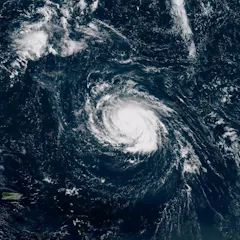
How do experts know when and where the next big hurricane is going to hit? A look at the complicated science of forecasting.
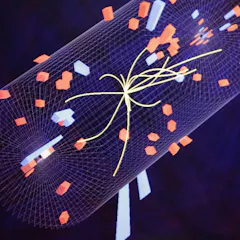
The Large Hadron Collider has generated mind-blowing science in the last decade – including the Higgs boson particle. Why is the LHC so important, and how will physicists use it in the years to come?
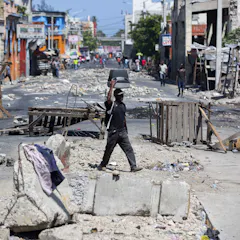
After weeks of protest in Haiti, sparked by a sudden rise in fuel prices, at least seven are dead and the prime minister is out. Foreign creditors pushed for the price hike as an austerity measure.
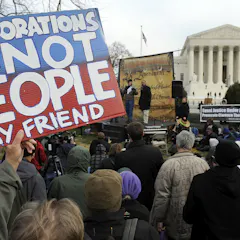
Citizens United, issued 10 years ago, is one of the most controversial and scorned rulings in modern Supreme Court history. Is that condemnation undeserved?

A historian explains the significance of the Emmett Till murder for the civil rights movement.

As US mothers returned to breastfeeding, the market for infant formula dried up, leading formula makers to seek new markets in developing nations. Here’s how that led to a recent outcry.

Studies show that people’s environments influence their mood. The same is true of homeless shelters, which can either help or hurt residents’ psychological well-being — and, possibly, their futures.

The US has a long history of separating families. Research shows the long-term effects of that trauma.
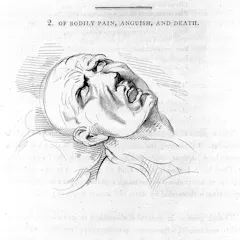
In today’s opioid crisis, why are some people with addictions treated with empathy and others with disdain? The answer to that question has roots in the 19th century.
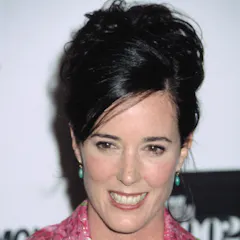
The suicides this week of Kate Spade and Anthony Bourdain shocked and saddened many. And the news was disturbing. Why is it so hard to know who might commit suicide?

How can marine preserves best protect sea creatures that move in and out of them? Two ocean scientists describe new thinking about designing marine protected areas.
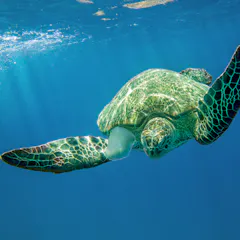
Little chunks of plastic are now scattered throughout the oceans and pollute most beaches around the world, including the nesting sites of threatened and endangered sea turtles.

During the war, few Americans actually saw the ‘Rosie the Riveter’ poster that’s become a cultural icon.
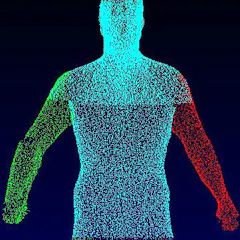
When people see their bodies in 3D, they feel worse about themselves and more negative in general. That might not put shoppers in a buying mood even for clothes that fit better.

Yes, money is one big reason. But teachers also just want to be heard like everyone else and are using methods that have been shown to be effective.

Changes to the official mandates guiding nonprofits and government agencies might be less significant than they appear.

Research explores why parents in Nairobi actively choose to send their children to private schools, despite the financial constraints.

Two moves by the Trump administration signal a dramatic shift in energy policy to favor coal and nuclear, but markets forces and legal challenges mean changes could take years.
Authors
-

Associate Professor of English, Florida State University
-
Professor of Developmental Psychology, Florida State University
-
Ph.D. Candidate in Modern European History, Florida State University
-
Mason Ladd Professor and Associate Dean for International Programs, Florida State University
-
Higdon Professor of Management, Florida State University
-
Associate Dean for Research and External Relations, Florida State University
-
Professor Emeritus, College of Medicine, Florida State University
-
Professor of Sociology, Florida State University
-
Senior Program Director, Center for the Advancement of Human Rights, Florida State University
-
Assistant Professor in the Sociology of Population, Florida State University
-
Assistant Professor of Law, Florida State University
-
Dorothy and Jonathan Rintels Professor of Holocaust Studies, Florida State University
-
Jim Moran Professor of Strategic Management, Florida State University
-
Jim Moran Associate Professor of Entrepreneurship, Florida State University
-
Associate Professor of Urban and Regional Planning, Florida State University