

Many regions fundamental to mood are buried deep in the most primordial parts of the brain; that is, they are thought to have been among the first brain regions to develop in the human species.
Florey Institute of Neuroscience and Mental Health

The Florey Institute of Neuroscience and Mental Health is one of the world’s top six brain research centres. We employ 600 research and support staff and educate 90 post-graduate students each year. Our scientists comprise the largest neuroscience research team in Australia.
Our teams work across a variety of disease states such as stroke, epilepsy, Alzheimer’s disease, Parkinson’s disease, multiple sclerosis, Huntington’s disease, motor neuron disease, traumatic brain and spinal cord injury, mental illnesses including schizophrenia, depression and addiction. We are world leaders in imaging technology, stroke rehabilitation and epidemiological studies.
Links
Articles

When you read this text, certain regions in your brain begin working more than others. Advanced imaging allows scientists to map the brain networks responsible for understanding language.

News reports this week hailing a breakthrough in Alzheimer’s research, saying a vaccine for the disease is a few years away, have raised hopes for many. But let’s take a step back from the headlines.

Parkinson’s disease is the second-most-prevalent neurodegenerative condition in Australia, with an estimated 70,000 living with the disease. But what do we know about the causes and risk factors?

Fixing the hospital system is not just a matter of more funding. Hospitals need to work smarter, not harder.
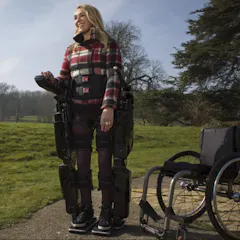
A 3cm-long stent containing 12 electrodes could one day help people living with spinal cord injury to walk with the power of thought.

When asked about importing cannabis oil to treat child epilepsy, rural health minister Fiona Nash told Q&A that the TGA can allow importation of products not registered in Australia. Is that right?

Saying someone has epilepsy is a little like saying they’re ill. Its cause can vary from a brain tumour to an inherited genetic condition, the consequence of injury or a disorder affecting the brain.
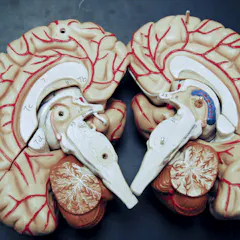
New research has identified a known neurodegenerative disease as being caused by prions. And it has again raised the possibility that these proteins are infectious.

The epigenetic ‘musicians’ that play our genomes in different ways might help us understand the causes of autism.
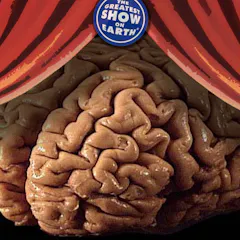
The human brain is the most extraordinary and complex object in the known universe, a kilogram and a half of soft tissue that, at its peak, leaves computers behind with its endless capacity for problem…
Older people may be able to learn more from visual information than their younger counterparts, according to a study published today in the journal Current Biology. “The take-home message the study authors…

Multiple sclerosis is a neurological disease affecting almost 25,000 Australians and more than 2.4 million people worldwide. It’s one of the leading causes of disability in young adults. Typically, the…

The more curious we are about a topic, the easier it is to remember not only information about that topic, but also other unrelated information shown at the same time. A study published today in Neuron…
I don’t want to sound too cynical, but recent research findings in dementia seem hard to believe. A study of over 1,000 people has found people who scored higher on a measure of cynicism during late life…

If survey data are to be trusted, there’s a surprisingly weak relationship between money and happiness. As national incomes rise, happiness does not increase. Consider this: happiness in the United States…
The introduction of a GP co-payment could see average emergency department visits increase by between six minutes and almost three hours, new modelling shows, as more patients opt for free hospital care…
In the second instalment of Biology and Blame, Neil Levy considers how neuroscience can affect legal judgements. Can human beings still be held responsible in the age of neuroscience? Some people say no…

Memories from early childhood are notoriously elusive but why can’t we recall our most formative experiences? New research suggests it could be a case of the old making way for the new – neurons, that…
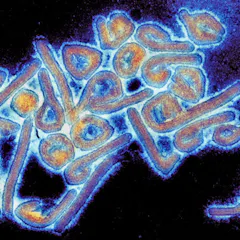
Viruses have traditionally been mankind’s enemies, causing disease and often mutating out of the reach of our medicines. But now a new technology is conscripting them into doing good. Viral vectors show…
Authors
-

Professor and Head of Epigenetics and Neural Plasticity, Florey Institute of Neuroscience and Mental Health
-
Head of Epilepsy Cognition Laboratory, Clinical Neuropsychologist, Florey Institute of Neuroscience and Mental Health
-
Professor of Neurophysiology, Florey Institute of Neuroscience and Mental Health
-
Professor and Head of the Epilepsy Neuroinformatics Laboratory, Florey Institute of Neuroscience and Mental Health
-
Associate professor, Florey Institute of Neuroscience and Mental Health
-
Senior Research Fellow, Florey Institute of Neuroscience and Mental Health
-
Head, Statistics and Decision Analysis Academic Platform, Florey Institute of Neuroscience and Mental Health
-
Professor, Florey Institute of Neuroscience and Mental Health
-
Research Fellow, Harvard Medical School, Research Fellow, Florey Institute of Neuroscience and Mental Health
-
Research associate, Florey Institute of Neuroscience and Mental Health
-
Research Fellow, Florey Institute of Neuroscience and Mental Health, Florey Institute of Neuroscience and Mental Health
-
Professor and Director, Florey Institute of Neuroscience and Mental Health
-
Head of Genes Environment and Behaviour Laboratory, Florey Institute of Neuroscience and Mental Health
-
Professor, Neurologist and Clinical Director, Florey Institute of Neuroscience and Mental Health
-
Laboratory Head of Translational Cardiovascular and Renal Research Group, Florey Institute of Neuroscience and Mental Health