

A changing climate means parts of Australia will get hotter, some drier, others wetter and we can expect more extreme fire days.
CSIRO

As Australia’s national science agency, CSIRO is solving the greatest challenges through innovative science and technology.
CSIRO - unlocking a better future for everyone.
Links
Articles
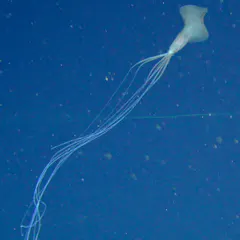
We recorded the largest number of bigfin squids ever seen in one area. Before this, this rather elongated creature had only been spotted a dozen times across the globe.
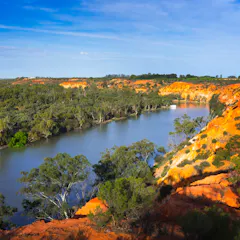
This year marks a decade since the Millennium Drought ended. The Murray-Darling Basin has endured a lot since, but two species are making an impressive comeback.
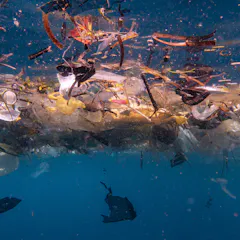
Jumlah ini 35 kali lebih besar dibanding perkiraan berat polusi plastik di permukaan laut.

Professional sport has enormous power to influence positive change. So ahead of this weekend’s grand finals, let’s examine the carbon emissions of our major men’s football leagues.
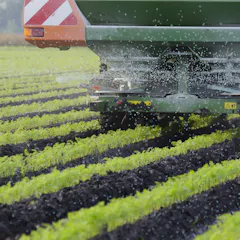
Agriculture is the dominant cause for the increasing N₂O concentrations. Emissions must be reduced if we hope to stabilise Earth’s climate.
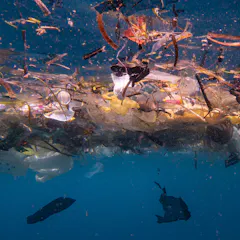
This is up to 35 times more than the estimated weight of plastic pollution on the ocean’s surface.

This stroke of serendipity shows how much there is still to be learned about the natural history of Australia. Surely more surprises are out there waiting for us.

Digitising healthcare and exporting more sustainable protein alternatives are just some ideas that could help Australia’s economy return to form.
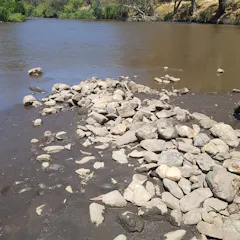
After the Black Summer bushfires, heavy rains extinguished many fires but turned high quality water in our rivers to sludge. This is how we better prepare for next time.

The report by the World Meteorological Organisation shows that with large and rapid emissions cuts, we can still avoid the most severe climate change. But worryingly, we also have time to make it far worse.

Reducing our intake of discretionary foods such as cakes, biscuits, pizza and hot chips is the best way we can make our diets more sustainable.

Machine logic can be too precise to seem fully human. Chatbots that learn logic from Aristotle instead might behave more like people.
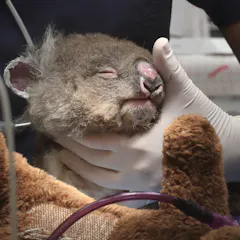
Ahead of National Science Week, Chief Scientist Alan Finkel reflects on the growing value of citizen science, emphasising the need for more collaboration as we deal with an evolving climate.

Despite this year’s coronavirus lockdowns, more CO2 has accumulated in the atmosphere than during the same period in 2017 or 2018.

With tarantula-like orchids and giant bananas, New Guinea is officially the most floristically diverse island in the world.

We need our scientists now more than ever to help us grow the high-value industries that will secure our future jobs and prosperity.

Try a few star jumps every hour, it’ll make a massive difference to your warmth.

It’s no wonder some Indigenous Australians are concerned about receiving different treatment in hospital.

From a Hugh Jackman-esque spider to honouring traditional Indigenous words, these species have memorable names.
Authors
-

SKA-Low Commissioning Scientist, Square Kilometre Array Observatory; and Affiliate, Space and Astronomy, CSIRO
-
Chief Research Scientist - Environment, CSIRO
-
Research Lead, Carbon Dioxide Removal, CSIRO
-
Principal Research Scientist in Aquatic Ecology, CSIRO
-
Behavioural Scientist, CSIRO
-
Senior Research Scientist in Aquatic Ecology, CSIRO
-
Professor, Senior Principal Research Scientist, CSIRO
-
Postdoctoral Research Fellow, Marine Carbon Dioxide Removal, CSIRO
-
Radio Astronomy Research Scientist, CSIRO
-
Research Director, CSIRO
-
Senior Principal Research Scientist, Environment, CSIRO
-
Research scientist, CSIRO
-
Principal Research Scientist, CSIRO
-
Principal Research Scientist in Ecosystem Ecology, CSIRO
-
Senior Principal Research Scientist, CSIRO