
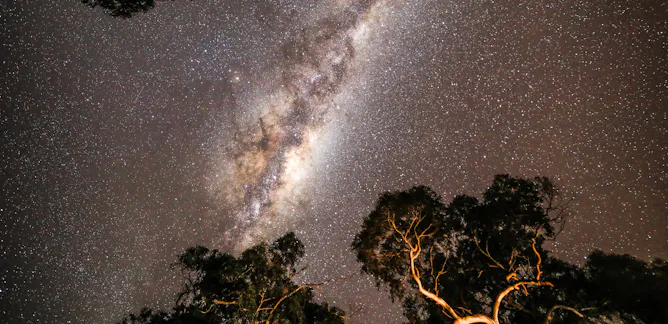
In ancient Aboriginal traditions, we see the traces of important intellectual achievements.
CSIRO

As Australia’s national science agency, CSIRO is solving the greatest challenges through innovative science and technology.
CSIRO - unlocking a better future for everyone.
Links
Articles
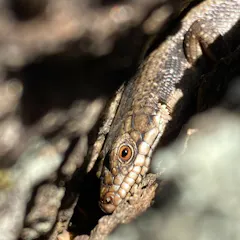
Many reptiles rely on rocky areas to find food, escape predators and reproduce.

New results provide a fresh perspective on the iconic ring structure of the M87 black hole.

A potentially record-shattering El Niño is currently forming in the Pacific. Having more time to prepare could save lives.
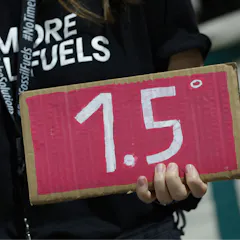
Global emissions reductions have not been enough to stop global warming passing 1.5°C in the next few years.
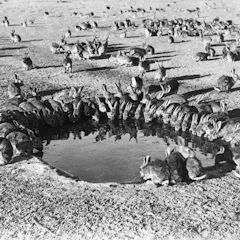
In 1920, an estimated ten billion rabbits roamed Australia. Biological controls have reduced their numbers – but rabbits remain a big problem

Programs like ‘Big Little Reno’ aim to help people make their houses more energy efficient.

Une carte des champs magnétiques cosmiques a été réalisée avec un télescope radio australien, le plus puissant du monde.
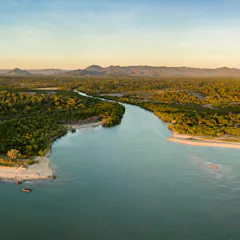
Sediment and nitrogen runoff carried by rivers is a major challenge to the Great Barrier Reef. Science confirms efforts to improve water quality are paying off.
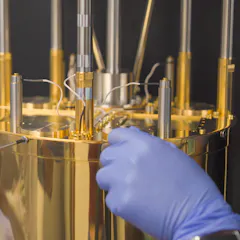
A new facility in Queensland will allow researchers from academia and industry to test new ideas on a real quantum processor.

Technical fixes to AI systems aren’t enough. What’s needed is an overhaul of AI eco-systems to ensure they’re more inclusive.

As AI agents become more autonomous, keeping them aligned with what humans want will require layered oversight and effective control.
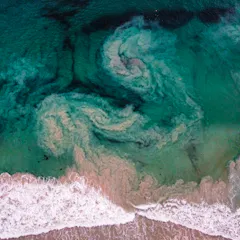
Australian scientists are exploring ways to remove carbon from the atmosphere – using our oceans.

More than 90% of the heat trapped by greenhouses goes into the ocean. But what happens in the oceans doesn’t stay there.

Astronomers have revisited data from a dramatic collision of neutron stars to help resolve the infamous ‘Hubble tension’.
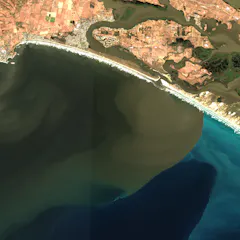
In 2022-23, a vast plume of floodwater from the Murray River delivered thousands of tonnes of organic material to the ocean – and a feeding bonanza began.
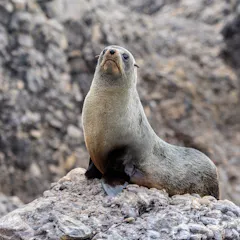
Marine species are increasingly battling intense storms and heatwaves – four experts explain why this matters.
Dune flies have 41 different dance moves. Changing even one of them is rarer than you’d think.
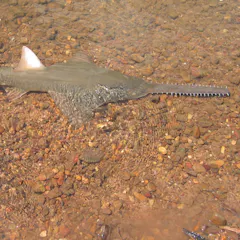
If you’re a tiny prawn, barramundi or rare sawfish in a northern Australian gulf, you can’t easily swim south to escape the heat.
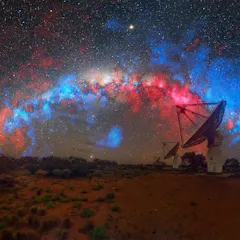
The best map yet of cosmic magnetic fields has been created with Australia’s most powerful radio telescope.
Authors
-

SKA-Low Commissioning Scientist, Square Kilometre Array Observatory; and Affiliate, Space and Astronomy, CSIRO
-
Behavioural Scientist, CSIRO
-
Professor, Senior Principal Research Scientist, CSIRO
-
Molecular Virologist, CSIRO
-
Postdoctoral Research Fellow, Marine Carbon Dioxide Removal, CSIRO
-
Senior Research Scientist, Team Leader Rabbit Biocontrol, CSIRO
-
Research Scientist, Terrestrial and Freshwater Ecosystems, CSIRO
-
Research Director, CSIRO
-
Principal Research Scientist, CSIRO
-
Senior Research Scientist, CSIRO
-
Principal Research Scientist, Space & Astronomy, CSIRO
-
Chief Research Scientist, CSIRO Environment; Executive Director, Global Carbon Project, CSIRO
-
Honorary Fellow, Space and Astronomy, CSIRO; Western Sydney University
-
Senior Principal Research Scientist, CSIRO
-
Early Research Career Fellow, Space & Astronomy, CSIRO