

Australia seems to be focusing on boosters for people aged 75 and over, with its latest recommendations. But that may change.
Burnet Institute

Burnet Institute is an Australian-based medical research institute that combines research in the laboratory and the field with public health action to improve health equity in Australia and internationally.
Links
Articles

How are people with long COVID faring two years after their initial infection? Many have recovered. Some still struggle with symptoms – this is more likely for those who were initially hospitalised.
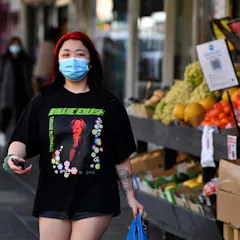
As much as we don’t want it to be, as much as it is off the front pages, COVID is still very much with us. We can end this pandemic, if we choose to.

China have been overestimated or deaths have been underestimated. Whatever the case, China’s massive COVID surge and expected Lunar New Year travel could raise risks for other countries.

Analysis of Victoria’s winter COVID wave found Paxlovid and Lagevrio reduced the risk of hospitalisation and death. The results were better for Paxlovid, but not everyone can take it.
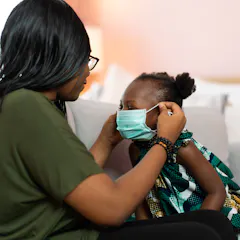
At times when COVID numbers are increasing, allowing infectious people to mingle freely at work and socially will create epidemic growth and make the crisis even worse.
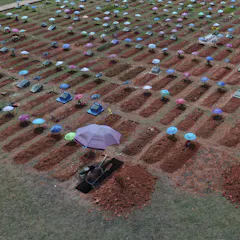
We found most governments were ill-prepared, too slow to act, paid too little attention to the most vulnerable, and were hampered by low public trust and an epidemic of misinformation.

So far in 2022, more than 12,000 Australians have died with COVID, six times the number of deaths in the previous two years.
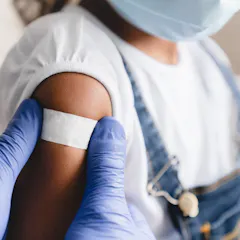
Polio cases in the US, UK and Israel remind us that this could also happen in Australia. Here’s what we should watch out for.
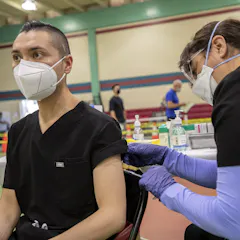
As monkeypox vaccination programs roll out and health authorities work to reduce the spread of the virus, progress is lagging on renaming it.

Direct-acting antivirals can cure hepatitis C in eight to 12 weeks. But while the rate of uptake in Australia has slowed, a greater proportion of those undertaking treatment are in prison.

In the first two years of the pandemic, Australia’s COVID elimination strategy was among the most effective in the world. Now we rank second in the world for the most cases per capita.
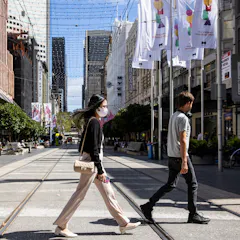
We modelled the impact small reductions in transmission would have on COVID deaths. We found a 20% drop could save the lives of 500 Victorians this year, or 2,000 people nationally.

We looked at almost 300,000 births and found those mothers in the private system were more likely to have a caesarean – even if they didn’t really want or need one.
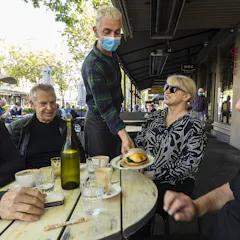
We shouldn’t aim to let infections run wild. We should aim to ensure most Australians never encounter the virus at all, or if they do, to not be infected by it.

Today should not be seen as ‘freedom day’. But it is the first step towards a time when the pandemic won’t dominate our daily lives.
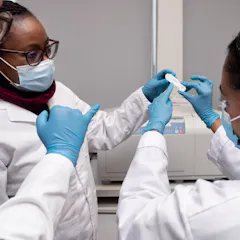
Sexually transmitted infections and bacterial vaginosis can provide ideal conditions for HIV infection in women. A new test aims to detect these conditions even when women don’t show symptoms.
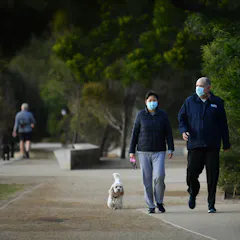
The curfew and other tougher restrictions imposed on the 12 Sydney local government areas of concern have cut the expected COVID cases numbers by half so far.
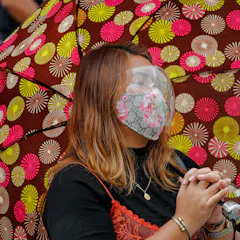
The Philippines has reported 34,000 deaths in the pandemic. It’s now in its fourth wave and with vaccination levels at just 14%, case numbers continue to soar.

To truly meet the needs of women, adolescent girls, and all people who menstruate, we need to address four key areas.
Authors
-

Senior Research Officer, Burnet Institute
-
Mathematical Modeller, Burnet Institute
-
Burnet PNG Country Director; Health Security and Pandemic Preparedness Lead; TB Public Health Physician, Burnet Institute
-
Theme Leader, Antiviral Immunity, Burnet Institute
-
Research Fellow, National Drug Research Institute, Curtin University; UNSW ; Burnet Institute
-
Senior Research Fellow; Co-Head, Global Adolescent Health Working Group, Burnet Institute
-
Head of Public Health, Co-Head HIV Elimination Program, Head of Justice Health Research, Burnet Institute
-
Head of Young People's Health Research, Burnet Institute
-
Associate Principal Research Fellow, Burnet Institute
-
Senior Research Fellow, Burnet Institute
-
Head of Modelling and Biostatistics, Burnet Institute
-
Professor, National Drug Research Institute, Curtin University and Burnet Institute, Burnet Institute
-
Research Officer, Burnet Institute
-
Senior Research Fellow, Burnet Institute
-
Associate Professor and Chief Health Officer - COVID and Health Emergencies, Burnet Institute