
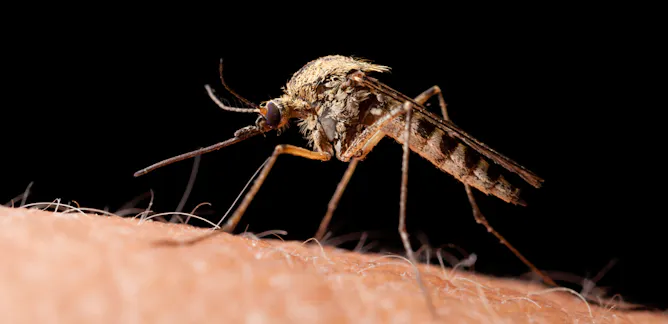
Resistance to a commonly used antimalarial medication, Atovaquone, can’t spread to the general human population, a new research found.
Burnet Institute

Burnet Institute is an Australian-based medical research institute that combines research in the laboratory and the field with public health action to improve health equity in Australia and internationally.
Links
Articles
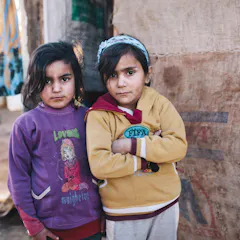
Adults who had a low birthweight or were undernourished as young children are more likely to experience high blood pressure and obesity.

Naloxone, commonly known as Narcan, is a medicine that temporarily reverses the effects of opioid drugs such as heroin, morphine and oxycodone.

Researchers have found a promising way of kicking the AIDS virus out of its hiding place in infected cells, potentially removing the main obstacle to curing HIV.
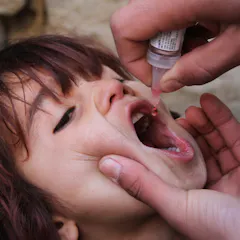
Recent polio outbreaks in Ukraine and Mali, caused by a vaccine-derived form of poliovirus, don’t mean the vaccine isn’t working. On the contrary, they are a reminder to keep up vaccination rates.

Ebola has been blamed for a surge in untreated malaria cases in west Africa that could have led to an excess numbers of deaths from malaria, greater than the total caused by the Ebola virus.

International evidence suggests “awareness” campaigns are not the best way to address harmful methamphetamine use. Fear-based approaches can increase stigma and drive people from treatment.
The federal government’s Mid-Year Economic and Fiscal Outlook announcement this week to cut the foreign aid budget by a further A$3.7 billion over three years is unprecedented. The current government has…

Contemplating how Papua New Guinea (PNG) would deal with Ebola may not be that different from asking the same of Liberia 12 months ago. While PNG’s per capita gross national income (US$2,540 in 2013) is…

Looking at recent news headlines, you’d be forgiven for thinking Australia was being overrun with methamphetamine, with reports of skyrocketing use. The focus is largely on crystal meth, also known as…

A new, combination hepatitis C therapy could shorten treatment times, reduce side effects and improve health outcomes for people who also have HIV, early trial results show. Worldwide, around one-third…
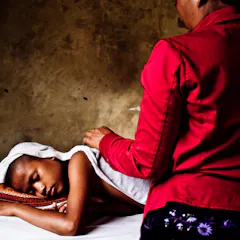
A new drug for malaria could be developed after a way has been found to kill the parasite that causes the disease. Malaria remains one of the world’s top three single-cause infectious diseases and is caused…
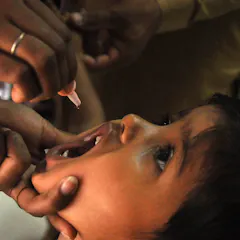
The US government has told a group of local health educators that it will no longer use immunisation programs as a cover for espionage. But the damage from previous such programs is difficult to undo…

Hepatitis C is a hidden epidemic affecting 170 million people worldwide. Hepatitis C kills nearly 700 Australians every year, mostly from chronic liver failure and liver cancer, and costs over $78.9 million…
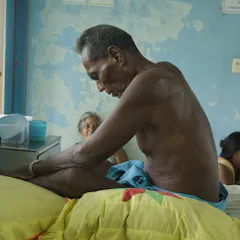
Tuberculosis, or consumption as it used to be known, sounds like a disease that we’ve managed to fight off for good. But a drug-resistant strain of the bacteria that causes it is making a comeback, and…
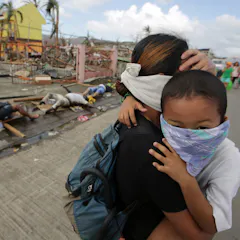
Once again, a cataclysmic disaster has hit an Asian nation. But a well co-ordinated aid response mindful of lessons from other disasters could mean a faster recovery. Last Friday, Typhoon Haiyan (known…
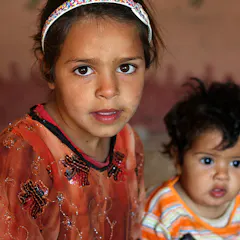
As if the children of Syria had not suffered enough, the news of an outbreak of polio (poliomyelitis) signals that even more suffering lies ahead. The polio virus invades the nervous system and can kill…
As Australians head to the ballot box we are consumed with issues that are necessarily defined by national borders. However, as Australia takes up the presidency of the Security Council and attends the…

An international trial testing a preventive drug treatment for HIV nearly halved the rates of HIV transmission among injecting drug users. Injecting drug use causes one in ten new HIV infections worldwide…

Global health campaigner Bill Gates is in Sydney today to lobby prime minister Julia Gillard to spend more money on global health, particularly the fight against malaria and polio. But while money may…
Authors
-

Senior Research Officer, Burnet Institute
-
Mathematical Modeller, Burnet Institute
-
Burnet PNG Country Director; Health Security and Pandemic Preparedness Lead; TB Public Health Physician, Burnet Institute
-
Theme Leader, Antiviral Immunity, Burnet Institute
-
Research Fellow, National Drug Research Institute, Curtin University; UNSW ; Burnet Institute
-
Senior Research Fellow; Co-Head, Global Adolescent Health Working Group, Burnet Institute
-
Head of Public Health, Co-Head HIV Elimination Program, Head of Justice Health Research, Burnet Institute
-
Head of Young People's Health Research, Burnet Institute
-
Associate Principal Research Fellow, Burnet Institute
-
Senior Research Fellow, Burnet Institute
-
Head of Modelling and Biostatistics, Burnet Institute
-
Professor, National Drug Research Institute, Curtin University and Burnet Institute, Burnet Institute
-
Research Officer, Burnet Institute
-
Senior Research Fellow, Burnet Institute
-
Associate Professor and Chief Health Officer - COVID and Health Emergencies, Burnet Institute