
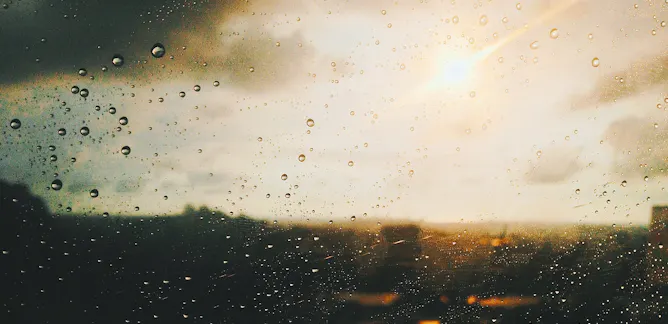
The Bureau of Meteorology’s climate outlook for April to June is ‘neutral’, but that doesn’t mean we’re flying blind, weather-wise.
Australian Bureau of Meteorology

The Bureau of Meteorology is Australia’s national weather, climate and water agency. Its expertise and services assist Australians in dealing with the harsh realities of their natural environment, including drought, floods, fires, storms, tsunami and tropical cyclones. Through regular forecasts, warnings, monitoring and advice spanning the Australian region and Antarctic territory, the Bureau provides one of the most fundamental and widely used services of government.
Links
Articles

Wind is just air moving from one place where there is high pressure to another place where there is low pressure.

To answer this question from Fiona, age 6, we need to know some things about clouds and light.
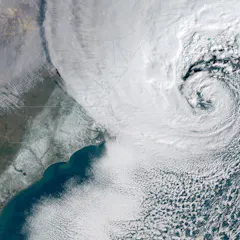
The US was hit by a ‘bomb cyclone’ last week, bringing icy cold and driving snow. These storms develop very rapidly, forming outside the tropics, typically on continental east coasts in winter.
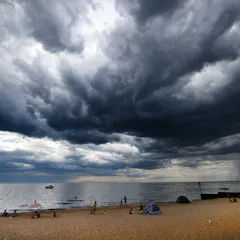
Last year saw plenty of warm weather around the country, but other notable events included dry months in the southeast, some very cold winter nights, and record-warm dry season days in the north.
We already know that climate change makes heatwaves hotter and longer. But a new series of research papers asks whether there is also a climate fingerprint on frosty spells and bouts of wet weather.

New “dual-pol” weather radars promise to spot large hailstones forming inside thunderstorms, giving people a heads-up when it’s about to hail.
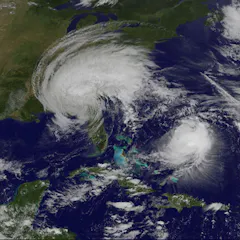
Weather forecasters sounded the alarm for the record-breaking Hurricane Irma with several days’ notice.

As the planet warms, the amount of moisture in the atmosphere is increasing. This will cause a lot more heavy rainfall, even in areas that are becoming drier.
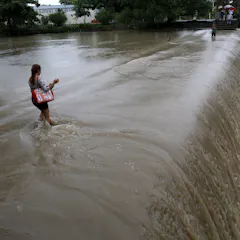
New research shows that global warming has already begun to exacerbate extremes of rainfall in the Pacific region – with more to come.

2016 was Australia’s fourth warmest year on record, capping off the hottest decade.
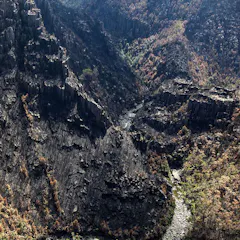
October 2015 was the hottest on record for that month, and Tasmania had its driest ever spring.
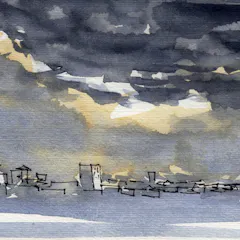
Researchers from a range of disciplines need to work together if we are to predict and prepare for the next thunderstorm asthma event.
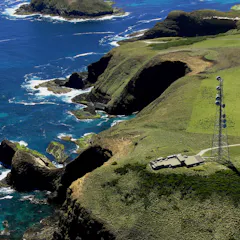
Cape Grim’s air pollution station has recorded some of the biggest changes to the world’s atmosphere over the past 40 years.

The new State of the Climate report outlines Australia’s rising temperatures and its regional rainfall declines - and the trends that are locked in for the coming few decades due to greenhouse emissions.
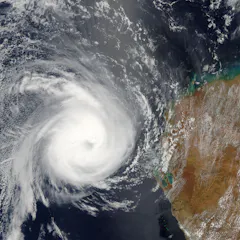
Australia is facing an above-average cyclone season, with at least 11 cyclones likely in the region.

The Indian Ocean Dipole may be El Nino’s less famous cousin, but that hasn’t stopped it having a profound effect on Australia’s weather since it flipped into a “strong negative phase” two months ago.
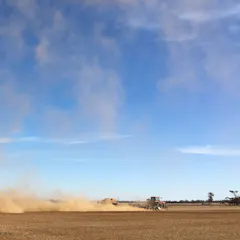
From floods to drought, fire to famine, the 2015-16 El Nino has had a global impact.
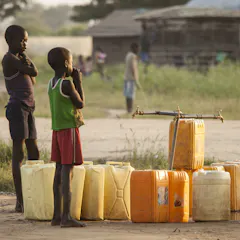
From floods to drought, fire to famine, the 2015-16 El Nino has had a global impact.
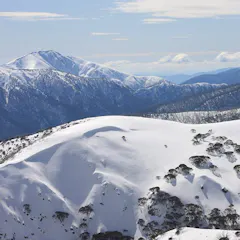
Australia’s snow season is notoriously fickle - so what determines whether we’ll get a good fall?
Authors
-

Climate scientist, Australian Bureau of Meteorology
-
Senior Climatologist, Australian Bureau of Meteorology
-
Head of Water Investigations, Australian Bureau of Meteorology
-
Climate Scientist, Australian Bureau of Meteorology
-
Senior meteorologist, Australian Bureau of Meteorology
-
Climatologist, Australian Bureau of Meteorology
-
Climate Scientist, Australian Bureau of Meteorology
-
Climate Scientist, Australian Bureau of Meteorology
-
Senior Climatologist, Australian Bureau of Meteorology
-
Manager Water Sector Engagement, Australian Bureau of Meteorology
-
BOM, Australian Bureau of Meteorology
-
Scientist, Australian Bureau of Meteorology
-
Senior Meteorologist, Australian Bureau of Meteorology
-
Team Leader, Australian Bureau of Meteorology
-
Climatologist, Australian Bureau of Meteorology