

Nvidia’s leadership upheaval has shaken investor confidence, revealing how New Zealand retirement savings are exposed to the fortunes of a few tech giants.
Auckland University of Technology

Auckland University of Technology (AUT) is one of the world’s best modern universities. Home to 28,000 students across three campuses, AUT has more than 60 research centres and institutes delivering leading research – from artificial intelligence to robotics, and ecology to public health. As a contemporary university, AUT is connected to an extraordinary range of organisations worldwide; sharing expertise and resources, collaborating on ground-breaking research, and connecting students with industry leaders and employers.
Links
Articles

A High Court ruling points to a major vulnerability in NZ’s democracy: when parliament passes discriminatory laws under urgency, the courts can’t overturn them.

Samoa and Fiji’s world cup runs showcased Pasifika talent. But opportunities for women and girls within Pacific nations remain limited.

Because people change their behaviour in response to higher taxes, raising the top income tax rate can affect and even reduce the revenue generated.

Sweeping changes to the curriculum, NCEA and school governance have divided the education sector, all while major challenges remain overlooked.

New research into Kiwi households suggests clutter can help with everyday routines, make shared spaces more useful and even support family relationships.

New research shows abuse of older people takes many forms, from threats to harmful actions and neglect, and it often involves family members.

The Public Health Advisory Committee put forward five recommendations for improving NZ’s food system. We compared it with party policy ahead of the election.

New Zealand’s tertiary figures look healthy on paper. But they lean heavily on migrants’ qualifications, while fewer young people raised here go on to study.

En Nouvelle-Zélande, une vaste réforme de l’éducation promet de relever le niveau scolaire. Mais alors que de plus en plus d’élèves quittent les classes ordinaires, elle risque d’accentuer les difficultés des plus vulnérables si leur accompagnement ne suit pas.

Limiting the superannuation debate to whether the age of entitlement should be raised crowds out other options for funding a sustainable retirement system.

Calls for an overhaul of New Zealand’s freedom-of-information rules have gone largely unheeded for years. But momentum for reform seems to be building.

First-term MPs must learn a complex job under intense scrutiny. Our research suggests giving them more room to find their feet could benefit us all.

Most older New Zealanders live in private homes. As the population ages, making streets, transport and public spaces work for them will become crucial.

Disasters don’t follow a script. Research shows adaptable relationships between emergency agencies are vital to an effective response.

Like many food debates, this one is tangled up in culture, history and power.

A survey of young New Zealanders finds four in ten didn’t view buy now, pay later as debt. That perception can influence how they use it.
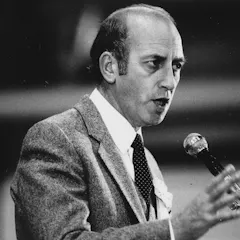
A new book examines the outsized influence of one man on the pivotal 1984 election which ushered in a new New Zealand.

Australia and New Zealand should introduce a mandatory impact-risk statement for funds making explicit claims about their environmental or social impacts.

A legal defence of infanticide exists in NZ and other similar jurisdictions. But it is not an option in US courts, making the Clancy jury’s job more difficult.
Authors
-

Professor of Finance, Auckland University of Technology
-
Associate Professor, School of Education, Auckland University of Technology
-
PhD Candidate, NZ Policy Research Institute, Auckland University of Technology
-
Professor in Māori Health, Auckland University of Technology
-
Lecturer in Culinary Arts & Gastronomy, Auckland University of Technology
-
Senior Lecturer in Journalism, Auckland University of Technology
-
Professor of Organisational Behaviour, Faculty of Business, Auckland University of Technology
-
Lecturer, Marketing and International Business Department, Auckland University of Technology
-
Research Fellow in Management, Auckland University of Technology
-
Director, NZ Policy Research Institute, Auckland University of Technology
-
Associate Professor of Economics, Auckland University of Technology
-
Senior Lecturer in Culinary Arts & Gastronomy, Auckland University of Technology
-
Research Fellow and Academic Database Advisor, Department of Finance, Auckland University of Technology
-
Senior Lecturer in Health Sciences, Auckland University of Technology
-
Lecturer in Sport and Recreation, Auckland University of Technology