

Escalating violence in the Horn of Africa and Yemen puts greater pressure on this key humanitarian corridor.
American University School of International Service

American University’s School of International Service (SIS) is a top-10 school of international affairs located in Washington, D.C. Since our founding in 1957, we have answered President Dwight D. Eisenhower’s call to prepare students of international affairs to “wage peace.” We do so because we believe the world needs leaders ready to serve.
SIS produces transformational research and prepares more than 3,000 graduate and undergraduate students for global service in government, nonprofits, and business. Our students learn from more than 120 full-time faculty – leading political scientists, economists, sociologists, anthropologists, demographers, geographers, historians, and experts in international development, global health, communications, energy, and the environment – and benefit from an active international network of more than 20,000 alumni. They graduate prepared to combine knowledge and practice and to serve the global community as emerging leaders.
Links
Articles
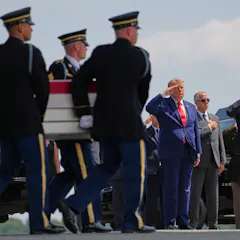
A survey of 449 US foreign policy experts exposes stark differences on the role of US power in the world and raises questions about how best America can achieve its global interests.
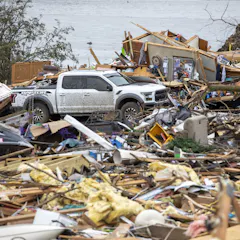
In communities across America, people recovering from floods, storms and wildfires have been left waiting much longer for federal aid – if it arrives at all.

There are many barriers to reunification, but Irish American lobbying may move the needle a little.
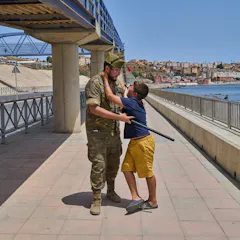
Anti-immigration critics seized on the Ceuta migrant situation as evidence of the failure of soft policies, but in reality the bloc has become far more restrictionist in the past decade.

A cybersecurity researcher explains how hackers target small computers that control a water system’s tanks, pipes and valves.

The days of long-established relationships between the UK prime minister and the US president are long gone.
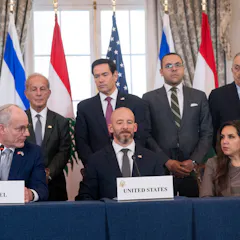
In past agreements, there appeared to be a tacit understanding between Hezbollah and Israel that conflict would eventually resume.

The drop in funding has also led donors to prioritize the trend of using aid to control the movement of people – over their needs.

On the issue of contested island, both US and China appear happy to keep with the status quo. Meanwhile, the presence of US Defense chief hints at Washington’s desire for a military ‘hotline.’
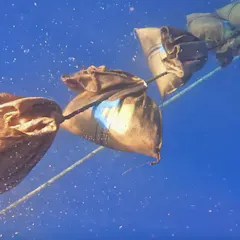
Ocean carbon removal is picking up, just as Microsoft pulls out as a major funder of carbon removal projects.

At every difficult moment in their long history, the Persian people have fought to preserve what is theirs. The Trump administration may have underestimated this.
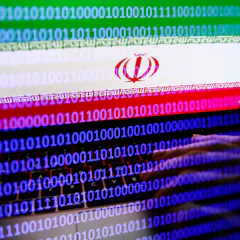
A cyberattack on a US corporation illustrates how state-aligned hackers operate, and how damage in war today isn’t always readily visible or geographically confined.
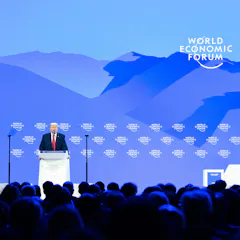
European publics and more government leaders are questioning the value of the alliance with the United States under Trump. But a different path remains elusive.

The men and women tasked with implementing policy are governed by the same incentives and constraints − whether in Beijing or Washington.
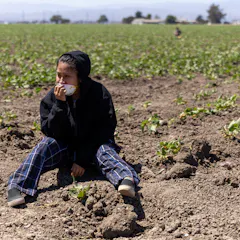
Despite the administration’s claim of streamlining the government to make its operations more efficient, a range of recent federal policies have, in fact, exacerbated food wastage.

President Trump reversed a long-held perception among US foreign policymakers that pressuring Israel should only be done in private.
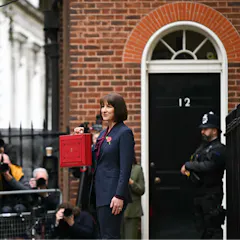
With hundreds of thousands of federal employees furloughed as part of the latest US government shutdown, a scholar explains why such events never occur in the UK.

Convention suggests wars are named after the participants or the place it which fighting takes place. But who chooses − and why?
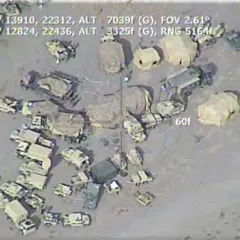
Today’s military commands struggle to manage battlefields that span cyberspace and outer space, as well as land, sea and air. AI is poised to help by breaking them out of their centuries-old structures.
Authors
-

Distinguished Professor of International Relations, American University School of International Service
-
Associate professor, American University School of International Service
-
Associate Professor of International Relations, American University School of International Service
-
Professor American University School of International Service, American University School of International Service
-
Director of the Center for Environment, Community & Equity and Professor in the School of International Service, American University School of International Service
-
Associate Professor of International Studies, American University School of International Service
-
Lecturer in Political Science, American University School of International Service
-
Hurst Senior Professorial Lecturer, Co-Director Transatlantic Policy Center, American University School of International Service
-
Professor, American University School of International Service
-
Provost Associate Professor and Chair, Department of Environment, Development & Health, School of International Service, American University School of International Service
-
Assistant Professor of Human Rights and Cultural Relations, American University School of International Service
-
Provost Associate Professor of Environment, Development and Health, American University School of International Service
-
Professor of Research in Environmental Policy, American University School of International Service
-
Assistant Professor of Global Security, American University School of International Service
-
Professorial Lecturer, American University School of International Service