

The final proposal agreement at COP31 omitted any mention of fossil fuels. The European Union and small island states were right to reject it.
Home – Articles, Analysis, Comment
Displaying 1 - 25 of 10671 articles

The term ‘cuffing season’ may be dated, but the behaviour behind it isn’t. Young people are still pairing up to get through the winter.

For decades, Canada’s foreign policy was premised on the legitimacy of international institutions and multilateralism. Banning Russia from the World Juniors is at odds with that legacy.

The witch Baba Yaga has become a symbol of resistance against male dominance, violence against women and environmental destruction

GTA6 is an immersive experience and players are definitely going to become invested in Lucia and Jason’s romance. But their interactions are scripted.
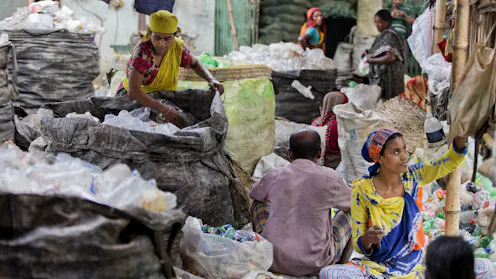
Millions of informal waste-pickers are the forgotten heroes of the the circular economy, without receiving the recognition their work deserves.

Shifting student coverage from the public to the private sector is likely to increase overall system costs and lead to higher premiums for students and their families.
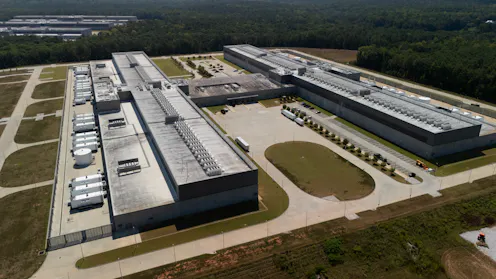
Community support is increasingly important to AI data centre development. But who gets to decide whether a project has earned it?
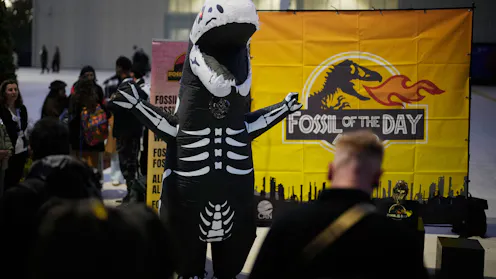
The satirical award is given to countries and leaders seen as doing little to support efforts to tackle climate change.

Mark Carney’s ‘Projects of National Interest’ are more like ‘Projects of National Inequality and Environmental Destruction’ than measures that will promote Canada’s interests sustainably.

Children and teens with chronic diseases and their caregivers need to be able to find, evaluate and use electronic health information.

New research identifies the multiple ways in which brain changes may be helpful adaptations to the challenges of aging.
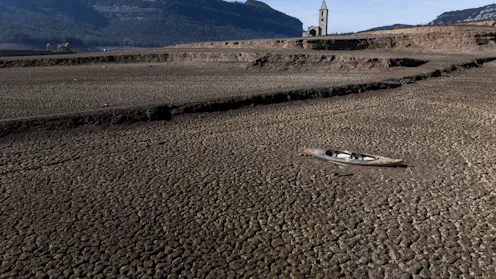
People from different parts of the world might face different climate hazards. But each could recognize something of their own loss in the other’s story.

The National Food Security Strategy could make Canada’s food system more equitable, sustainable and sovereign. Implementation challenges mean rural areas most in need may be left out.

SNL’s Sister skit takes aim at the gender inequity of caregiving. One of the most important places to bring about serious change is the workplace.
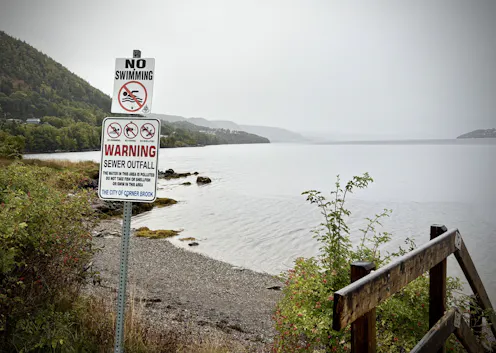
Many Newfoundland communities struggle to manage and dispose of raw sewage.
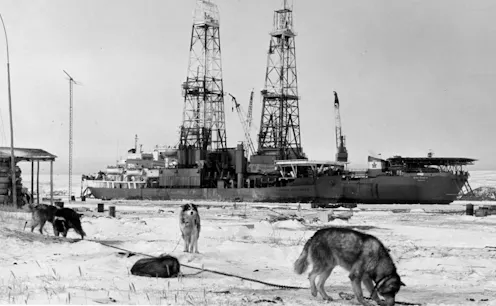
Climate, geography and the cost of getting Arctic oil to market have made previous projects too costly to be viable.
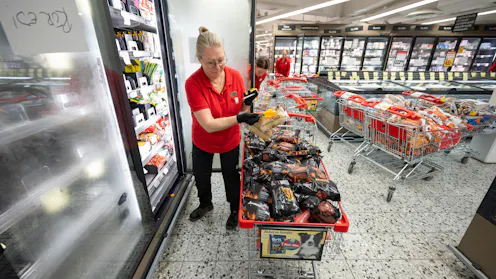
We don’t know how or when the next cyberattacks will occur. But we can prepare for unsafe water, damaged equipment, environmental harm and diminished public trust.
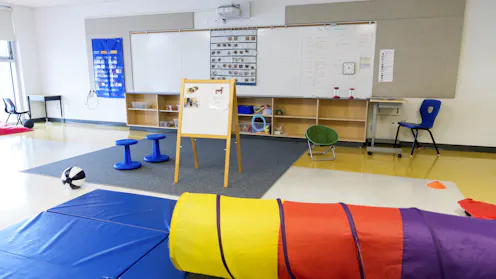
More clarity is needed in Ontario around what we mean by models of inclusive education — in terms of where, how and what students learn.

Research done in collaboration with Indigenous communities produces better outcomes than the traditional model where universities set the questions.

Setting common regulatory standards could give schools the collective leverage they currently lack when dealing with trillion-dollar companies like Google.

The ‘crisis of masculinity’ isn’t a neutral description of facts. It’s a label, and the masculinity it refers to is usually white.

What do we owe to very young children — typically toddlers — who appear to remember previous lives?

Restaurants can shape what diners eat, but evidence that greener menus reduce environmental harm or protect businesses remains limited.
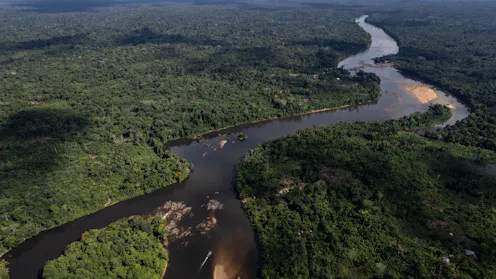
Twenty years of carbon markets on farms and in forests suggest that money alone isn’t enough. Without credible projects on the ground, money for climate adaptation will struggle to make a difference.