
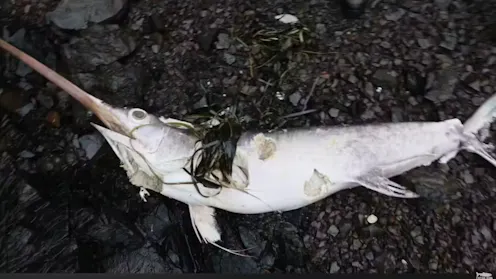
While this sighting is unusual and exciting, it also serves as a reminder that our oceans are rapidly changing and we need to adapt to these changes.
Environment + Energy – Articles, Analysis, Comment
Displaying 1 - 25 of 1744 articles
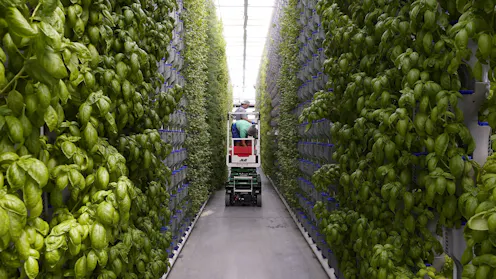
Growing plants indoors means replacing free sunlight with expensive, energy-intensive systems.
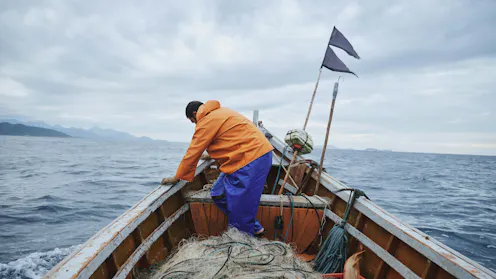
if AI shut down the electricity grid, it would swiftly shut down agriculture. Without fuel, refrigeration, irrigation and fertilizers, we would all have to get creative in feeding ourselves.
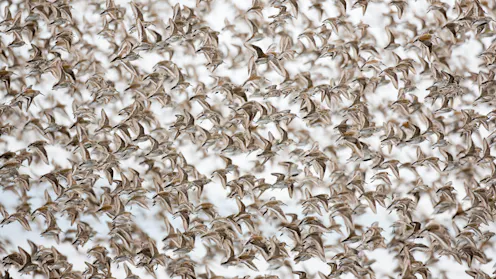
Shorebirds undertake some of the world’s most impressive migrations — but as sea levels rise, the habitats that they depend on are expected to shrink.

Governments and international organizations should develop policy that incorporates remittances into how we respond to climate change.
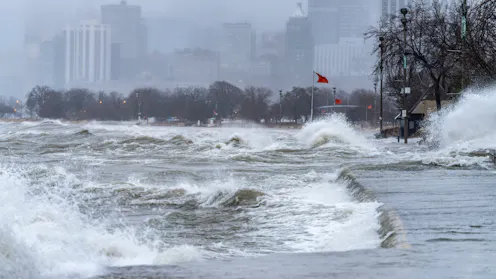
Water levels in the Great Lakes swing from one extreme to the other. An analysis using artificial intelligence reveals how (and why) weather causes them to fluctuate.

Canada has lowered its planned industrial carbon price. Research from China shows why the effects of environmental rules depend on firms’ ability to adapt.

The Barbary macaque is legally protected in Algeria; however, crop losses could increase hostility toward the species if farmers lack practical ways to protect their crops.

The environmental value of bike sharing depends partly on how often bikes are used to replace trips that would otherwise have been made by car.

Researchers have discovered the spiny water flea may have existed in North America far longer than previously thought.

The U.S. Supreme Court’s decision on glyphosate relieves the sellers of hundreds of pesticides from obligations to warn customers about potential dangers.

Governments must stop treating climate action as merely an aspirational goal. It is an absolute imperative.
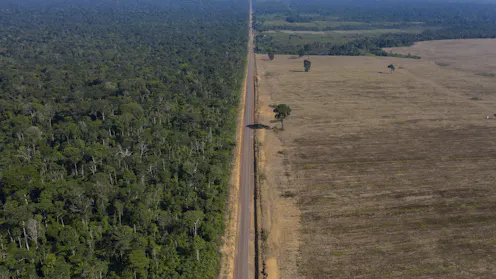
Sustaining Brazil’s recent deforestation gains will require stronger environmental enforcement beyond the rainforest and resistance to political efforts that could weaken it.

Playing out year over year, the chaotic cycle of drought crises has become a familiar experience for British Columbians.
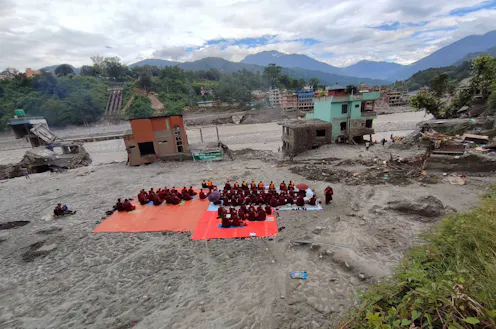
Development in known hazard zones is creating untenable risks for communities around the world. Here’s how Nepal and the global community can build back differently.
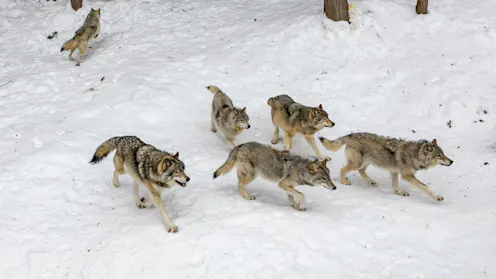
Wolves are a vital part of Canada’s rich biodiversity and are a culturally important species. Killing them to protect caribou repackages the colonial fear of the “big bad wolf.”
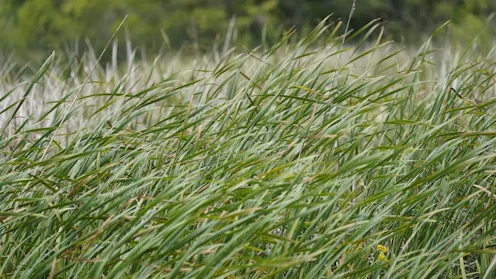
More common extreme weather events can create opportunities for invasive species to spread.
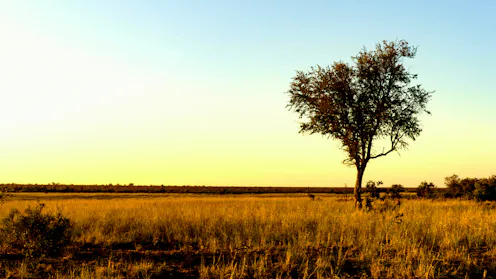
Global tree-planting campaigns can harm natural drylands. Effective climate restoration must work within dryland ecosystems, not seek to replace them.

After seven years of drought and one extraordinary wet winter, northwestern Africa now faces another season of uncertainty.

New research suggests municipalities could improve recycling and composting rates by changing how often they collect garbage and organics.
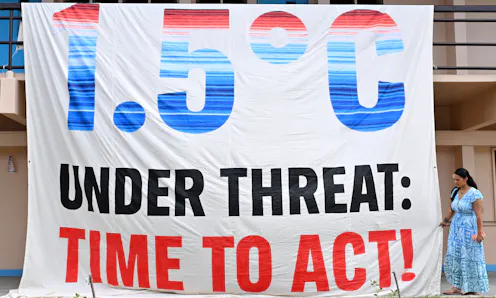
Exceeding 1.5 C of global warming is a giant warning flag telling us not to give up, but to redouble our efforts to slam on the brakes on climate change.
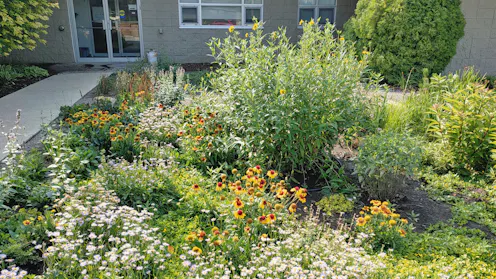
While rain gardens are useful, how and where they are planted can impact how beneficial they are.

The proportion of a watershed that is logged isn’t the only factor that determines flood risk. The landscape and climate matter too.
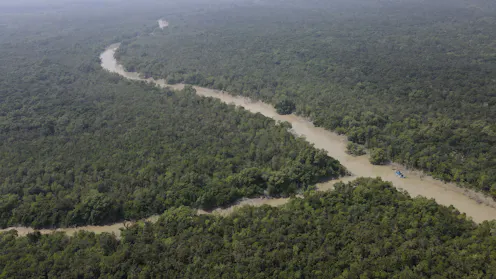
Climate change is already leading to lasting damage to the Sundarbans mangrove forest and causing families and farmers to lose their livelihoods.

Stream daylighting can help manage stormwater, restore habitats and create greener, more walkable public spaces.