
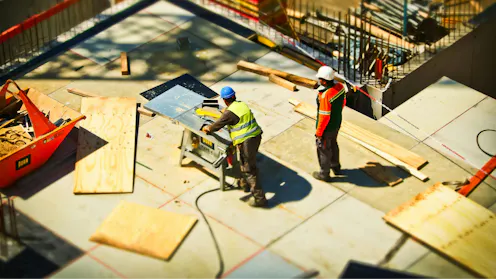
Even after a federal budget boost, Australia won’t have enough skilled tradespeople to work on existing homes – let alone build the new homes being promised.
Business + Economy – Articles, Analysis, Comment
Displaying 201 - 225 of 8568 articles

NZ’s world-first regime aimed to improve transparency in how institutions assess climate risk. So why are some choosing to say little about changes being made?
This court decision will have huge ripple effects right across Australian retail – and petrol retailers in particular should be on notice.

The 2026 budget has delivered big reforms on housing affordability and tax. But there are very few specific measures for regional Australia’s biggest pain points.

While NZ softens disclosure rules for large companies, investors are still factoring climate risk into decisions – with observable effects on capital flows.

After decades of wealthy investors getting a better deal, this budget finally tilts the scales for younger people trying to buy their first home.
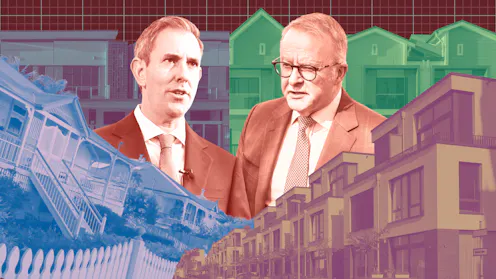
Budget 2026 contains important changes to capital gains tax, negative gearing and trusts. While the reforms are significant, the timing is cautious.

The key figures from the federal budget, from negative gearing changes to tax cuts for workers.

Even under its worst-case scenario, the government says growth will slow but not stall.

No, this isn’t another lecture on quitting takeaway coffee or cancelling all your subscriptions. Here’s where to start finding bigger savings.
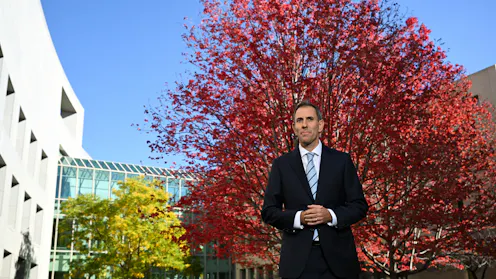
The government is under pressure to spend more on cost-of-living help. Getting the balance wrong could trigger further interest rates hikes.

Australians’ sense of job insecurity is now as bad as it was in COVID, when unemployment hit 6.4%. Yet there are steps that can help turn fear into action.
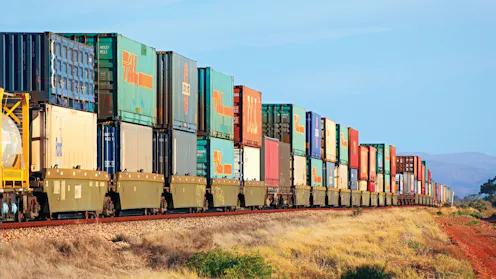
Inland Rail was meant to take 200,000 trucks a year off our roads – but it’s now been cut in half. Why is rail freight shortchanged compared to roads and city rail?

More than 1.8 million Australians earn money from trusts, which can be legally used to reduce people’s tax bills. There may be changes coming in Tuesday’s budget.

Iranian tariffs in the Strait of Hormuz may change how oil is traded and priced, with implications for currencies, alliances and global economic power.
Up to 14% of what renters paid for housing in the past decade could have been due to taxes that don’t apply to owner-occupied homes, new estimates show.

Researchers found pervasive worker underpayment in Australia, with two-thirds of temporary visa holders paid less than they were legally owed.

Supporters of the “degrowth” movement say that capitalism and consumerism have run their course.

Big tech is investing heavily in AI infrastructure. For countries like New Zealand, there are clear gains – but also important trade-offs.
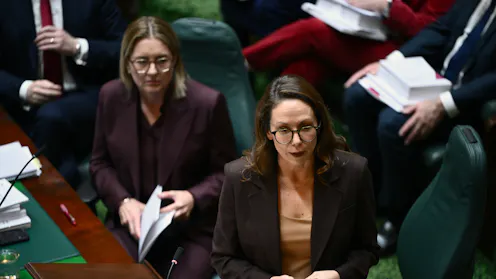
With new spending and an operating surplus, the Victorian treasurer has delivered the goods. But the state’s huge net debt still looms large.
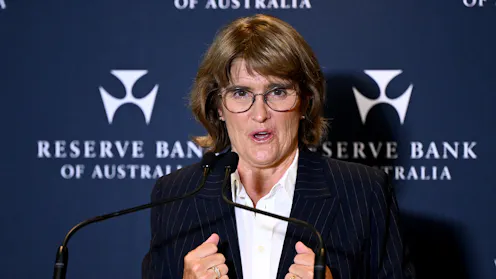
The central bank has also forecast higher inflation and slower economic growth.
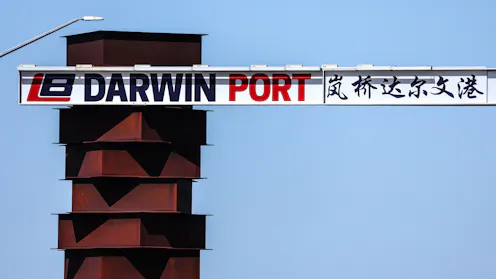
Right now, many of these cases claiming unfair treatment are still pending. But the rulings could have big financial implications for governments around the world.

The days of rapid economic growth are long gone. New analysis helps explain what has changed.
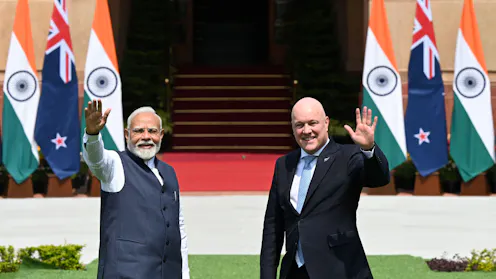
Punishing penalties for not meeting investment targets? A ‘tsunami’ of Indian migrants? The full agreement suggests the deal is not that dangerous.

The News Media Bargaining Code was world-leading. The government’s new plan, the News Bargaining Incentive, will build on past progress to protect journalism.